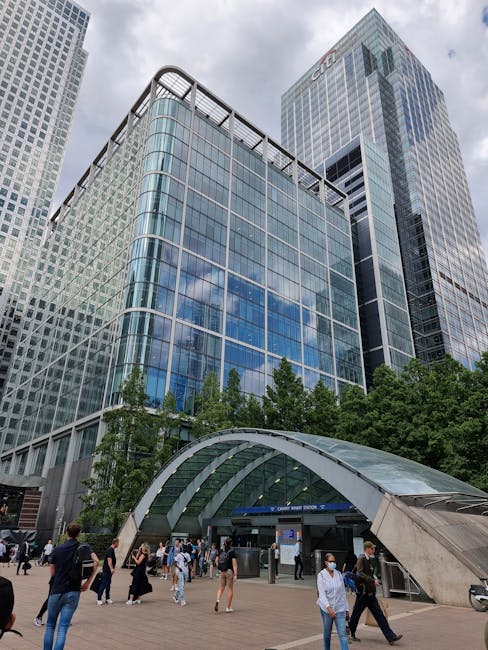
One Canada Square rug cleaning and stain removal Canary Wharf: a practical guide for busy homes and workplaces
If you are searching for One Canada Square rug cleaning and stain removal Canary Wharf, you are probably dealing with a rug that looks tired, marked, or just a bit off after a normal week in a busy building. Maybe it is a coffee spill before a meeting. Maybe it is muddy footfall from a rainy London morning. Or maybe the rug has slowly lost its colour under everyday use. Whatever the story, the aim is the same: restore the rug without causing damage, lingering odours, or that slightly disappointing "clean but not really clean" result.
This guide explains how rug cleaning and stain removal work in a Canary Wharf setting, why it matters around a landmark address like One Canada Square, and what to look for when deciding between DIY spot treatment and a professional clean. You will also find a step-by-step process, expert tips, common mistakes, a comparison table, and a practical checklist you can use straight away.
Why One Canada Square rug cleaning and stain removal Canary Wharf matters
Rugs do more than soften a room. In a building like One Canada Square, they also absorb the reality of the space: constant foot traffic, shoes carrying in fine grit, drinks on the move, and the occasional accident that seems to happen in the one place you did not want it. In a home, a rug can be the centre of the living room. In an office, it may be part of the first impression. Either way, once a stain sets in, it changes how the whole space feels.
There is also a practical side. A rug that is not cleaned properly can hold onto residues, dull fibres, and odours. A quick blot at the time of the spill helps, of course, but it rarely solves the problem completely. And if the rug is wool, silk blend, viscose, or another delicate material, the wrong product can make matters worse in a hurry. Truth be told, some stains are less about the stain itself and more about what happens when people panic and scrub.
That is why local rug cleaning in Canary Wharf is not just about appearance. It is about preserving the rug, keeping the space pleasant, and avoiding premature replacement. In busy office settings, this can also support a more professional environment. If you are already looking at wider cleaning support, related services such as office cleaning and commercial carpet cleaning often make sense alongside rug care.
How One Canada Square rug cleaning and stain removal Canary Wharf works
Good rug care starts with identification. Not every rug can be treated the same way, and not every stain behaves the same way. A careful cleaner will normally assess fibre type, construction, backing, colour stability, age, and the origin of the stain before choosing a method. That may sound a bit technical, but it is really just the difference between a targeted clean and guesswork.
The process often begins with dry soil removal. This matters because grit trapped in fibres acts like sandpaper. After that comes stain analysis. Coffee, tea, wine, ink, food grease, pet accidents, and cosmetic products all respond differently. Some need a water-based approach, some need solvent attention, and some need a repeat treatment rather than one aggressive pass. A professional also thinks about drying time, because over-wetting can lead to browning, wicking, or musty smells later on. Nobody wants that unpleasant damp-carpet note creeping back at 10pm.
For rugs in a Canary Wharf property, a service may also consider logistics. Is the rug small enough to clean on site? Does it need to be lifted and cleaned elsewhere? Is the floor beneath sensitive? Is access tight? These details matter more than people sometimes expect. If the rug is part of a broader refresh, you may also want to consider deep cleaning or domestic cleaning for the surrounding area, so the rug does not look spotless in a room that still feels dusty.
Typical stages in a careful rug treatment
- Inspection of fibre type, dye stability, and stain source
- Dry vacuuming or dust extraction
- Spot testing in an inconspicuous area
- Targeted stain pre-treatment
- Controlled cleaning method matched to the rug
- Rinse or residue reduction where suitable
- Managed drying and final grooming
Key benefits and practical advantages
The obvious benefit is that the rug looks better. But the real value goes beyond the visual. A properly cleaned rug can feel softer underfoot, smell fresher, and help the room feel more put together. In offices and apartments alike, that matters more than people admit. You notice it when you walk in. Even if you cannot quite explain why.
Another benefit is protection. Stains that sit too long can bond with fibres or leave a shadow behind. Some liquids also weaken materials or attract dirt faster after a DIY clean if soap residue is left behind. Professional stain removal aims to remove both the visible mark and the hidden residue, which is why a rug can stay cleaner for longer afterwards.
There is also time saved, which in Canary Wharf is no small thing. Many residents and businesses want a straightforward solution that does not interrupt the day. That is especially useful in shared buildings, serviced apartments, and workplaces where timing is tightly managed. If you need support for other soft furnishings too, services such as upholstery cleaning and sofa cleaning can help create a consistent finish across the room.
Expert summary: the best rug cleaning is rarely the most aggressive one. It is the one that matches the fibre, respects the dye, and removes the stain without leaving a residue behind.
Who this is for and when it makes sense
This kind of cleaning is for anyone whose rug is starting to look visibly marked, dull, or uneven. That includes homeowners, tenants, landlords, office managers, Airbnb hosts, and facilities teams. It also makes sense if you are dealing with a rug that has absorbed odours, especially after pet accidents or food spills. If you have ever tried to clean a stain and then spotted a bigger pale patch around it later, you already know why professional help can be worth it.
It is especially useful in these situations:
- High-traffic entrances where grit and moisture build up
- Meeting areas where coffee and tea spills are common
- Living rooms with decorative or investment rugs
- Move-in or move-out cleans where presentation matters
- End-of-tenancy situations where the rug has to look respectable again
- Pet households where repeat accidents need proper odour control
If the rug is part of a larger turnover or pre-letting clean, services like end of tenancy cleaning or move-out cleaning can be sensible companions. For landlords and managing agents, regular upkeep can reduce the last-minute panic. And let's face it, nobody enjoys discovering a stain at the worst possible moment, usually half an hour before guests arrive.
Step-by-step guidance
Below is a practical, sensible process for tackling rug stains and deciding whether to clean at home or call in help. It is not fancy. It is just the sort of method that avoids mistakes.
- Identify the stain as best you can. Food, drink, pet urine, ink, makeup, grease, and mud each behave differently. If you know what caused it, say so upfront.
- Act quickly, but calmly. Blot the spill with a clean white cloth. Do not rub. Rubbing drives the liquid deeper and can rough up the pile.
- Check the rug label or construction. If you are not sure about fibre type, assume it is delicate until proven otherwise. Wool and viscose, for example, need different handling.
- Test any product first. Even a mild cleaner can disturb colour on certain dyes. A small hidden test is a good habit.
- Use the least aggressive method that might work. Start with gentle controlled treatment, not the kitchen sink and a heroic amount of soap.
- Lift residue carefully. A stain that is not fully rinsed can attract dirt again. That "why is it darker now?" moment is often residue, not bad luck.
- Dry thoroughly and evenly. Airflow matters. Drying a rug flat and quickly, without overheating it, helps reduce odour and colour migration.
- Reassess after drying. Some stains reappear slightly once the rug is fully dry. That does not always mean failure; it sometimes means a second targeted pass is needed.
If the rug is large, heavily soiled, or awkward to move, professional support is usually the safer route. In commercial settings, it can also be helpful to coordinate with communal area cleaning so shared spaces stay consistent rather than half-done.
Expert tips for better results
The first tip is simple: less product, more control. Overusing cleaner is one of the fastest ways to create stickiness or residue. A tiny amount used properly can outperform a bucketful of enthusiasm. That sounds obvious, but in real life people still do the bucketful thing.
Second, always work from the outside of the stain inwards. This helps prevent the mark from spreading. Third, be careful with heat. Hot air can set some stains, especially protein-based ones, and can distort delicate fibres. If you are unsure, cool or ambient drying is usually the safer assumption.
Fourth, think about the room as a whole. If the rug is clean but the surrounding space is dusty, the result may still feel off. A coordinated clean often gives the best finish. In many homes, that means pairing the rug treatment with one-off cleaning or house cleaning. In offices, it might mean focusing on entrances, walkways, and the first impression areas.
Finally, if you are dealing with pet-related contamination, use a process designed for both stain and odour. Surface cleaning alone may make the mark less visible, but the smell can remain. A proper pet stain and odour removal approach is usually much more effective. A fresh-looking rug that still carries a faint smell is, frankly, not a win.
Common mistakes to avoid
Some mistakes are so common they almost deserve their own warning sign. Here are the big ones.
- Scrubbing hard. This can fray fibres and spread the stain.
- Using bleach or harsh household chemicals. These may remove colour as easily as they remove the mark.
- Over-wetting the rug. Too much moisture can affect backing, underlay, and drying time.
- Ignoring the stain type. Grease is not tea. Ink is not mud. The treatment needs to match.
- Leaving residue behind. Soap left in fibres attracts dirt and can dull the rug again quickly.
- Drying too slowly. This increases the risk of odour and wicking.
One of the sneakiest mistakes is assuming that a stain gone for an hour is gone forever. Sometimes it reappears after drying because the liquid moved through the pile and came back to the surface. Not fun, but common. That is why experienced cleaners keep an eye on drying stages rather than calling it done too early.
Tools, resources and recommendations
If you are trying to do a careful first response at home, keep it simple. You do not need a cupboard full of products. You need a few reliable basics and the discipline to use them gently.
- White absorbent cloths or unprinted paper towels
- A vacuum cleaner with a clean attachment
- A soft brush for controlled grooming
- A mild, fibre-appropriate cleaning solution
- Fans or good airflow for drying
For a more complete refresh, many clients in Canary Wharf also look at complementary services. A rug can be beautifully cleaned, but the room may still need support around it. That is where services such as carpet cleaning, steam carpet cleaning, and rug cleaning fit naturally. For windows in bright office or apartment settings, window cleaning can help the whole room feel clearer too. It sounds small, but the light makes a difference.
If you are planning a broader clean after renovation dust or site activity, after builders cleaning is often worth considering, because fine dust can settle into fibres faster than most people realise.
Law, compliance, standards and best practice
For rug cleaning in a London commercial or residential setting, the main compliance theme is safe working practice. That means using suitable products, avoiding unnecessary moisture, managing trip hazards, and handling equipment responsibly. The exact obligations vary by property type and contract, but the sensible baseline is always the same: protect the people, protect the floor, protect the fabric.
In shared buildings or offices, access arrangements and risk awareness matter too. Cleaners should work in line with the building's rules, building management expectations, and any site-specific health and safety requirements. If you are arranging services through a provider, it is sensible to ask how they approach insurance, safety, and staff conduct. The details are boring right up until they are not.
For peace of mind, many customers also want to check service terms, payment handling, privacy, and complaints processes before booking. Those are all reasonable things to ask about. A professional provider should be able to explain them plainly, not hide behind jargon. You can also review pages such as insurance and safety, health and safety policy, and terms and conditions if you want to understand how the service is structured.
On the environmental side, choosing careful, measured cleaning is usually better than flooding a rug with product. A well-run recycling and sustainability approach also tends to favour responsible product use and waste reduction where possible. That is the kind of thing people appreciate more once they have lived with the results for a while.
Options, methods, or comparison table
Different rugs and stains call for different methods. Here is a simple comparison to help you think it through.
| Method | Best for | Pros | Watch out for |
|---|---|---|---|
| Light DIY spot treatment | Fresh small spills on robust rugs | Quick, low cost, useful as first response | Easy to over-wet, scrub, or leave residue |
| Targeted professional stain removal | Set-in marks, delicate fibres, mixed stains | More controlled, better stain matching, safer for fabric | Needs proper inspection and drying time |
| Full rug cleaning | Overall dullness, traffic soiling, odour build-up | Uniform result, better freshness, longer-lasting appearance | Must be matched to rug construction |
| Broader room refresh | Busy homes, offices, serviced apartments | Improves the full environment, not just the rug | Needs planning to avoid disruption |
In practice, a lot of jobs start with a stain and end up being a wider fabric or room clean because the rest of the space looks a bit tired too. That is normal. The good news is that a single visit can often tidy up several problem areas at once if the scope is planned properly.
Case study or real-world example
Here is a realistic example from the kind of work people often request around Canary Wharf. A small office lounge in a high-rise building had a pale rug near the seating area. Over a few weeks it picked up coffee marks, a dark patch by the entrance, and a faint smell from repeated damp shoe traffic on rainy days. Nothing dramatic on its own. Together, though, it looked uninviting.
The first step was to identify the rug fibre and check whether the colour would tolerate targeted cleaning. After that came dry soil removal, then careful treatment of the coffee and traffic marks separately. The entrance area needed more attention than the rest because grit and moisture had worked deeper into the pile. The cleaner then controlled the drying with airflow rather than heat, which helped avoid a ring forming around the original stain.
By the next day, the rug looked more even, the room felt brighter, and the smell had gone from "slightly stale" to simply normal. Nothing magical. Just patient, sensible work. That is usually how the best results happen. Not with drama, but with the right steps in the right order.
Practical checklist
Use this checklist before, during, or after arranging rug cleaning in Canary Wharf.
- Identify the stain source if you can
- Check the rug material and any care label
- Blot, do not rub, if the spill is fresh
- Avoid overusing products or soaking the fibres
- Ask how drying will be managed
- Confirm whether stain treatment, odour removal, or full cleaning is needed
- Think about adjacent services if the room also needs attention
- Review service terms, safety, and payment details before booking
- Make sure the rug is fully dry before putting furniture back
- Check the result in good daylight, if possible
If you are also sorting the wider space, related services such as regular cleaning, house cleaning, or move-in cleaning can make the whole property feel more settled. That final "all done" feeling matters more than people expect.
Get a free quote today and see how much you can save.
Conclusion
One Canada Square rug cleaning and stain removal in Canary Wharf is about more than getting rid of a visible mark. It is about protecting a useful piece of the room, keeping the space fresh, and making sure the result lasts. Whether the rug sits in a family living room, a serviced apartment, or a busy office, the same principles apply: identify the stain, choose the right method, avoid over-wetting, and dry it properly.
If you take one thing from this guide, let it be this: the best clean is usually the calmest one. Small, careful actions almost always beat frantic scrubbing. And when the rug looks right again, the whole room feels lighter. A bit easier to walk into. A bit easier to enjoy. That is worth doing properly.
Frequently asked questions
Can all rug stains be removed?
Not always. Some stains, especially if they have been left for a long time or have already been treated badly, may only improve rather than disappear completely. The sooner you act, the better your chances.
Is steam cleaning safe for rugs?
It depends on the rug material and construction. Some rugs handle moisture well, while others need a much gentler approach. A careful inspection comes first, not the other way around.
What is the difference between rug cleaning and stain removal?
Rug cleaning usually refers to the full refresh of the entire rug, while stain removal focuses on specific marks. In practice, the two often happen together because a stain rarely arrives alone.
How quickly should I blot a spill?
Immediately if you can. Fresh spills are much easier to manage than set-in ones. The key is blotting gently with a clean cloth rather than rubbing or saturating the area.
Why does a stain sometimes come back after cleaning?
This is often called wicking. Moisture and residue move through the fibres and then reappear at the surface as the rug dries. Proper drying and residue control help reduce this risk.
Can I use washing-up liquid on my rug?
Sometimes people do, but it is not always a good idea. Household soap can leave residue and may affect fibres or dyes. A mild fibre-appropriate solution is safer, especially on delicate rugs.
What should I do about pet urine on a rug?
Act quickly, blot as much moisture as possible, and use a treatment designed for both stain and odour. Pet accidents can soak deeper than they look, so surface cleaning alone may not be enough.
How long does a rug take to dry?
Drying time depends on the rug size, fibre type, humidity, airflow, and how much moisture was used. A professional will usually aim for controlled drying rather than rushing the process.
Is rug cleaning useful for offices in Canary Wharf?
Yes. In office environments, clean rugs help the space look more professional and reduce the dull, tired feel that busy floors can develop. It is a small thing that people notice straight away.
Should I clean the whole room at the same time?
If the rug is part of a heavily used room, often yes. The rug may look great, but dust, marks, and general wear around it can spoil the effect. A coordinated clean usually gives a better finish.
How do I know whether a rug needs professional help?
If the stain is old, the rug is delicate, the smell remains, or your first attempt made the mark spread, professional help is sensible. If you are unsure, that is usually a sign to stop and assess rather than keep experimenting.
What should I ask before booking a cleaning service?
Ask about fibre suitability, stain treatment methods, drying expectations, insurance and safety, and what happens if a stain needs a second pass. Clear answers are a good sign. Vague ones are not.
Will rug cleaning help with odours as well as stains?
Usually yes, if the odour comes from the same soiling or contamination causing the stain. For pet-related issues, a dedicated odour treatment is often the better choice rather than general cleaning alone.